Encephalitis is an inflammation of the brain often caused by viral infections, w...See More
Dec 04, 2025
Specialized care for neuropathies, myopathies, and weakness

Expert in ischemic, hemorrhagic, and young strokes

Treating tremors, dystonia, gait issues, and falls

Managing seizures in children, adults, and elderly
.png)
Expert in MS, vertigo, memory, and migraine
.png)
.png)
.png)
.png)
About Us
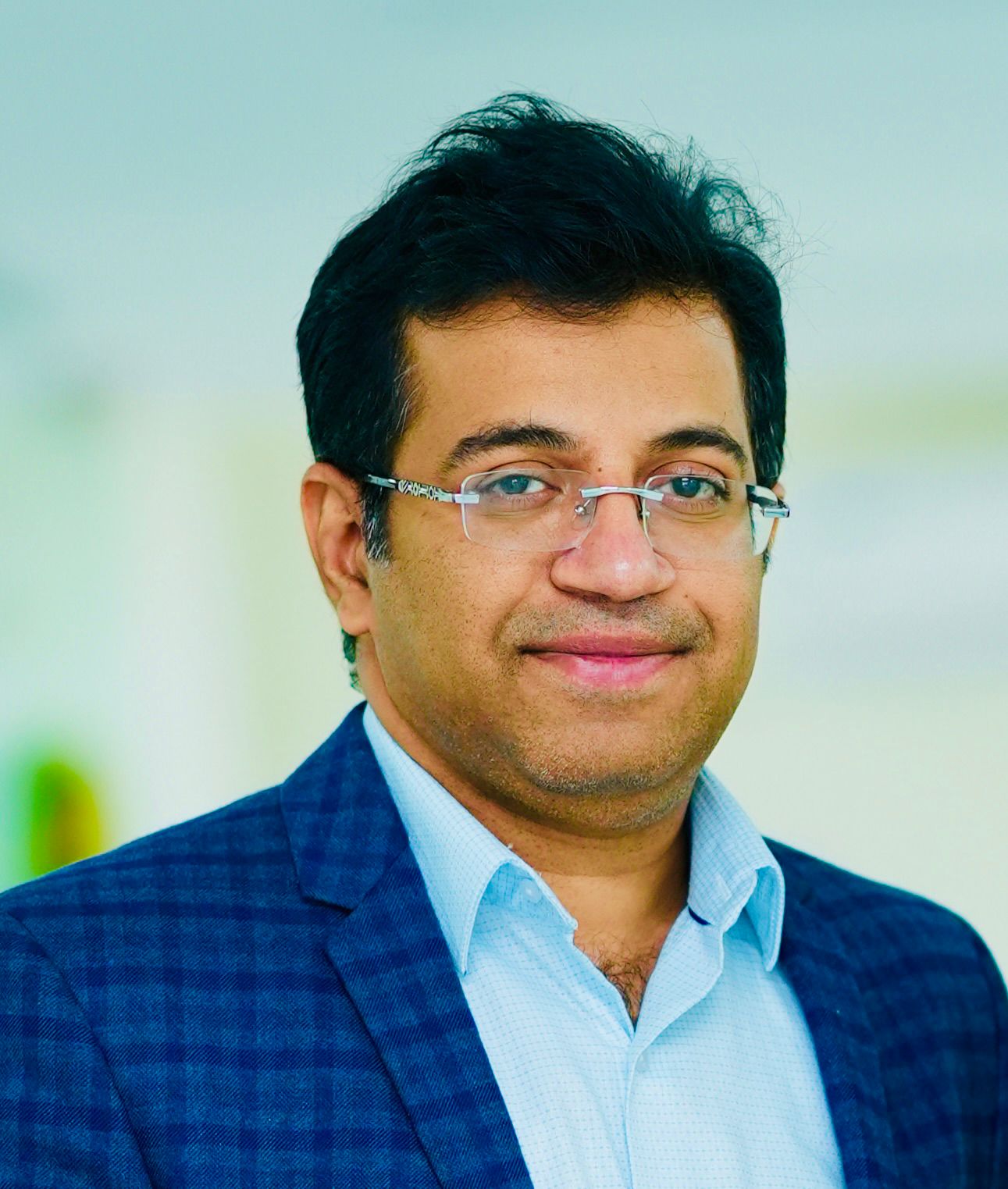
Dr. B Vijay Kumar is a highly respected neurologist, neuromuscular specialist, and neurophysician, widely known for his precision in diagnosing and treating a broad spectrum of complex neurological conditions. With over a decade of clinical experience and a strong academic background, he has developed a particular interest in neuromuscular disorders such as Myasthenia Gravis, Guillain-Barré Syndrome (GBS), Chronic Inflammatory Demyelinating Polyneuropathy (CIDP), motor neuron diseases, inherited neuropathies, and various acquired and genetic myopathies. His clinical acumen is supported by advanced diagnostic capabilities, including nerve conduction studies, repetitive nerve stimulation (RNS), single-fiber electromyography (SFEMG), and neuromuscular ultrasound, allowing for accurate diagnosis and tailored therapy.
Beyond neuromuscular care, Dr. Vijay is well-versed in stroke management, including thrombolytic therapy, and offers holistic treatment for movement disorders such as Parkinson’s disease, dystonia, tremors, and ataxias. He is also experienced in managing epilepsy in adults, children, pregnant women, and the elderly, and frequently treats general neurological concerns like vertigo, headaches, migraines, memory impairment, and chronic pain syndromes.
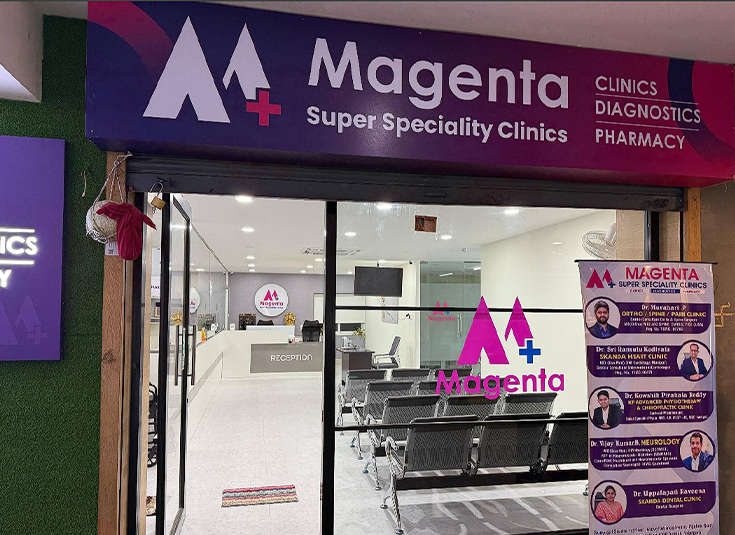
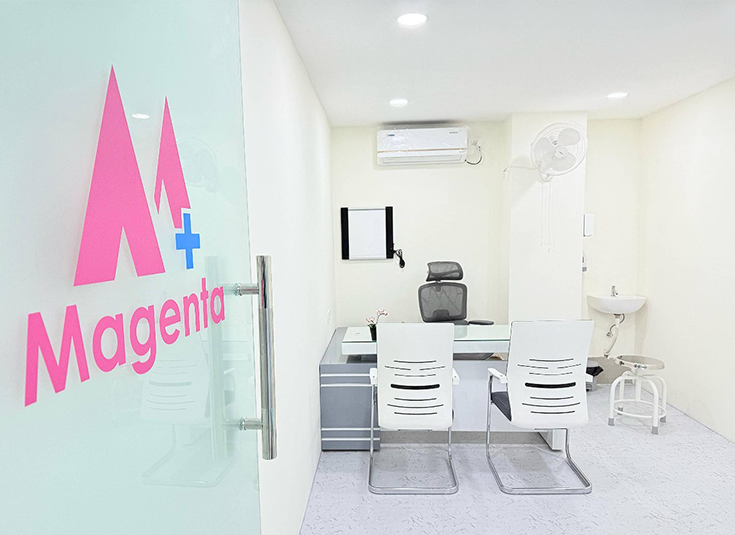
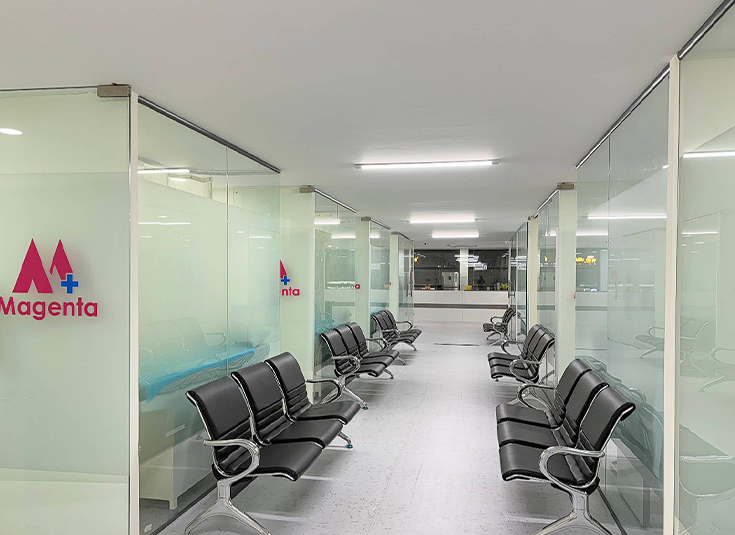
His clinical expertise extends to procedures such as Botox therapy for migraine and dystonia, lumbar punctures, and nerve and muscle biopsies for diagnostic clarity. Dr. Vijay currently practices at KIMS, Gachibowli, and is the founder of Magenta Superspeciality Clinics—a center of excellence in neurology launched just three months ago. Within a short span, the clinic has gained recognition for offering expert, compassionate, and evidence-based neurological care, uniquely blending cutting-edge technology with a patient-centric approach to ensure the best outcomes.
Years of Experience
Types of Neuromuscular Disorders Treated
Happy Patients



Comprehensive Neurological Care with a Focus on Precision Diagnostics and Personalized Treatment
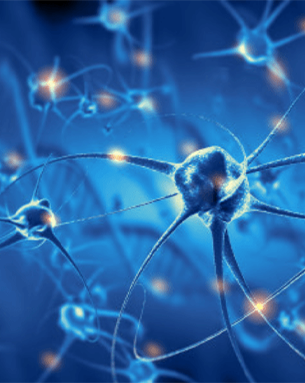
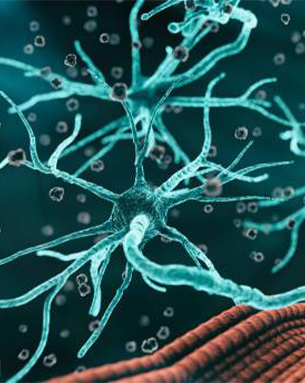
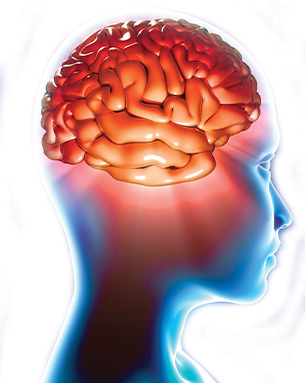
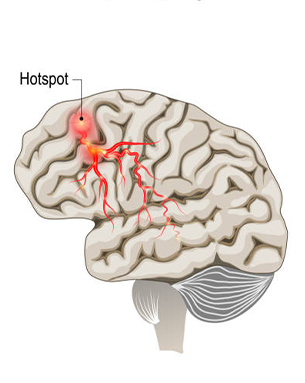
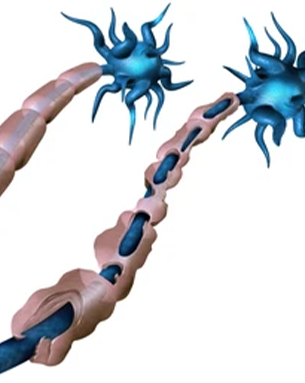
Stay informed with our latest updates, posts, announcements, and healthcare news
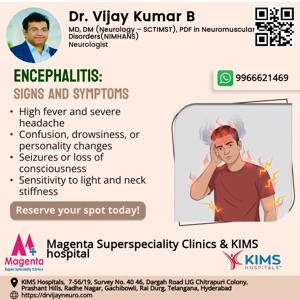
Encephalitis is an inflammation of the brain often caused by viral infections, w...See More
Dec 04, 2025
Neurologist
What our Patients says about us
Absolutely amazing experience , after 18 years of living with a rare condition, finding Dr. Vijay Kumar B has been nothing short of life- changing . His holistic approach, deep medical expertise, and genuine compassion helped me achieve a level of health I never thought possible. He takes the time to listen, understand ,and treat the root cause---- not just the symptoms . I'm finally doing well, and for that , I am deeply grateful. Highly recommended to anyone seeking truly comprehensive and thoughtful care.

After 20 years of searching for answers and seeing countless specialists, I had almost given up hope of ever understanding my condition. Then I met Dr Vijay Kumar. Where others saw 'unexplained symptoms,' Dr Vijay saw a pattern. Their dedication, investigative brilliance, and refusal to dismiss my experience led to the diagnosis of a rare disorder that had been overlooked for two decades. I am finally on the right treatment path, and I truly feel like I’ve been given my life back. If you are struggling with complex neurological issues, look no further.
I have been suffering from backpain since 2019.. i went Gandhi hospital yashoda and nims they took Mri and etc... they dint recognised my problem ... I also visited AIMS bibinagar .. they also not recognised but they referred me Dr B Vijay Kumar sir..they told him about my condition. So When I'm entering his cabin he told me this condition may called gne myopathy.. and after my genetic reanalysis it's identified as GNE MYOPATHY..
Our Latest Videos


Need Answers? Find them here...
Dr. B Vijay Kumar is a highly respected neurologist, neuromuscular specialist, and neurophysician known for his precision in diagnosing and treating complex neurological conditions. With over a decade of clinical experience, he specializes in disorders such as Myasthenia Gravis, Guillain-Barré Syndrome, and motor neuron diseases. His advanced diagnostic expertise, including techniques like nerve conduction studies and neuromuscular ultrasound, ensures accurate diagnosis and tailored therapy. He practices at KIMS, Gachibowli, and Magenta Superspeciality Clinics, which he founded.
Dr. B Vijay Kumar extends his expertise beyond neuromuscular care to manage stroke, including thrombolytic therapy, and address movement disorders like Parkinson’s disease and tremors. He also treats epilepsy in various patient groups, including children and the elderly, and provides care for conditions like vertigo, migraines, memory impairment, and chronic pain syndromes. His treatment arsenal includes Botox therapy, lumbar punctures, and nerve biopsies, offering evidence-based care at Magenta Superspeciality Clinics.
Neuromuscular disorders are medical conditions where the nerves that control voluntary muscles and the communication between muscles and nerves are affected. In Hyderabad, neuromuscular specialists diagnose and manage disorders such as muscular dystrophy, amyotrophic lateral sclerosis, and peripheral neuropathies. Treatments may include medications, physical therapy, and surgical interventions, depending on the specific disorder and its severity.
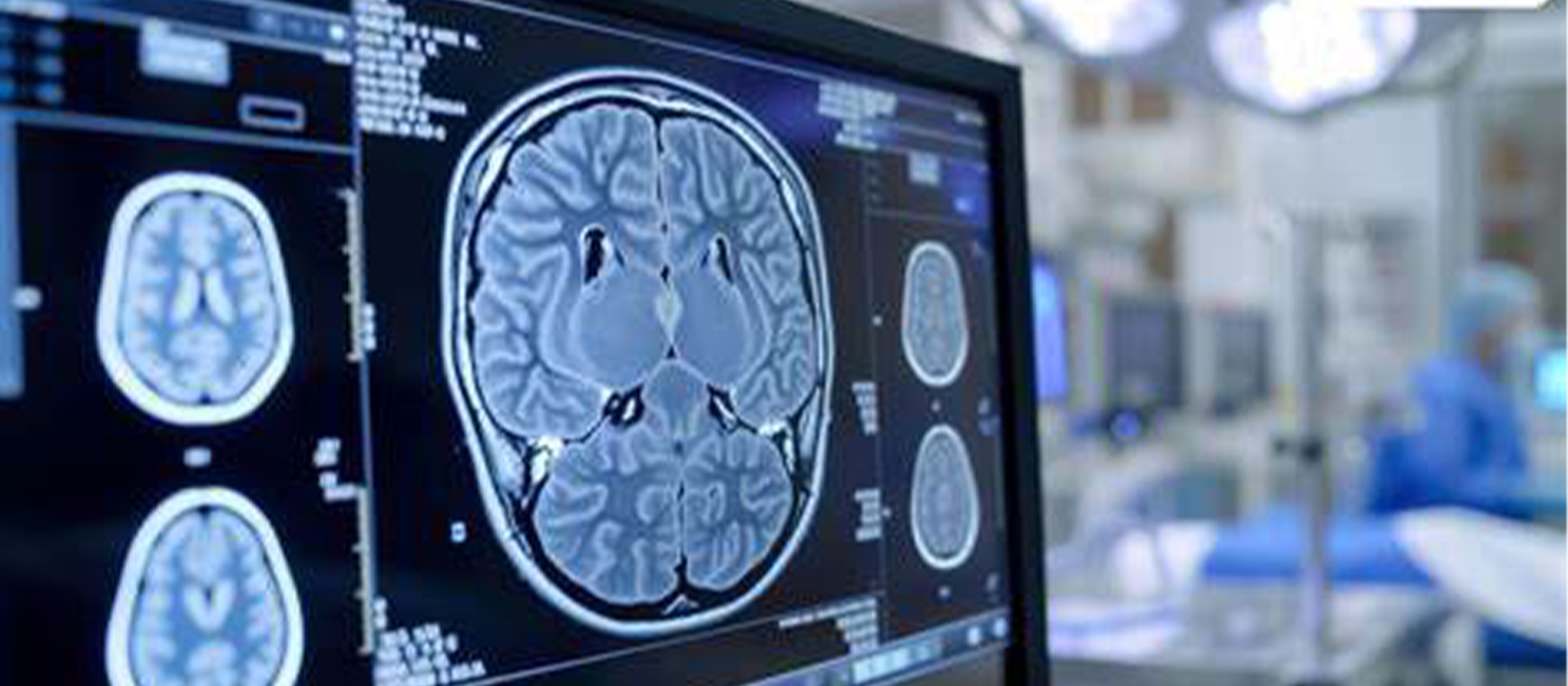
A stroke is diagnosed using imaging techniques such as CT scans or MRIs, alongside physical and neurological examinations. In Hyderabad, neurophysicians focus on rapid diagnosis and management to minimize brain damage. Treatments may involve clot-buster medications for ischemic stroke, or surgical interventions for hemorrhagic stroke. Rehabilitation services are critical post-treatment to help regain function and improve quality of life.
Movement disorders refer to conditions that affect the speed, quality, and control of movement. In Hyderabad, neurologists address such disorders including Parkinson’s disease, dystonia, and essential tremors. Management typically involves medications like levodopa for Parkinson's, physical therapy, and sometimes surgical options like deep brain stimulation to control symptoms and improve patient mobility and function.
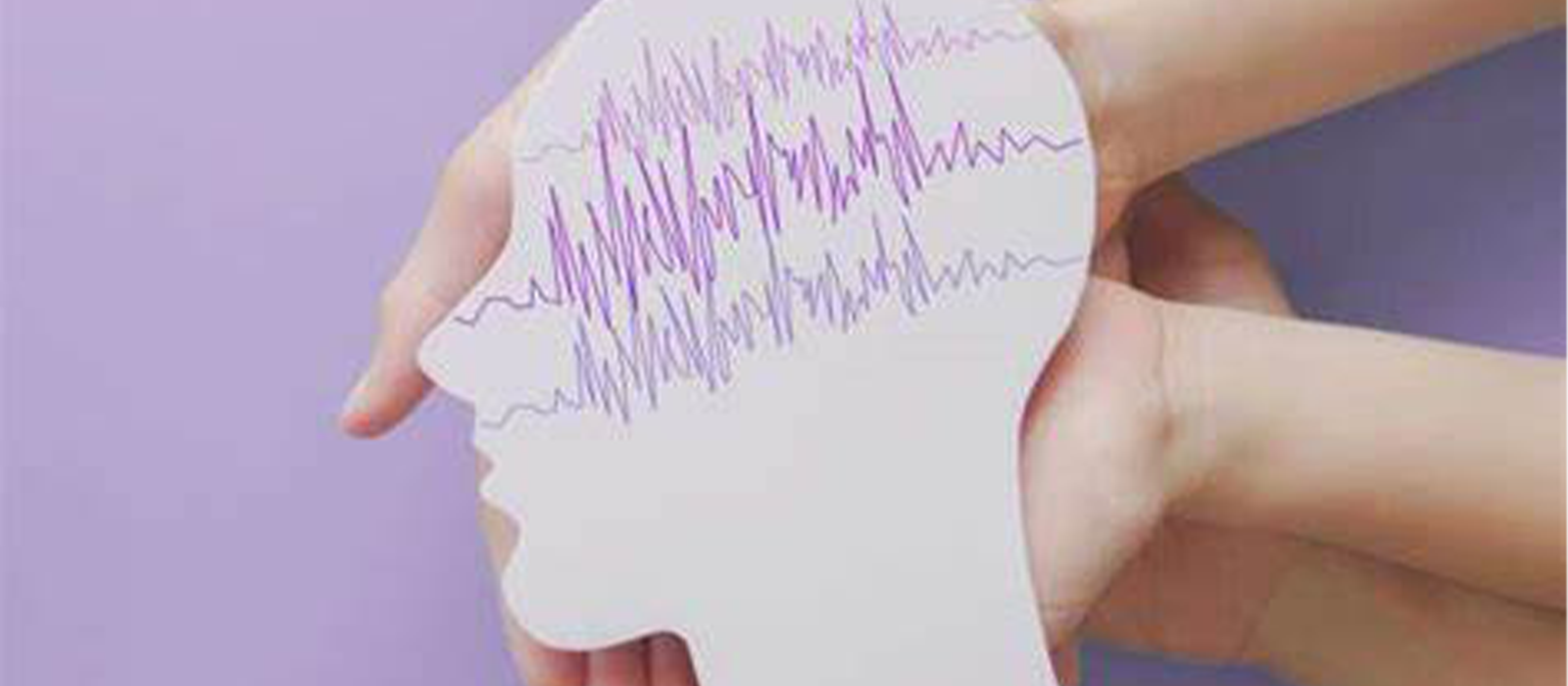
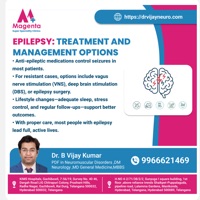
Epilepsy is characterized by recurrent seizures, which can vary in severity and frequency. Neurologists in Hyderabad diagnose epilepsy through EEG tests and brain imaging. Management includes anti-seizure medications, lifestyle modifications, and in some cases, surgical procedures to prevent seizures. Regular monitoring and adjustments in treatment plans help in achieving optimal seizure control and enhancing the patient's quality of life.
Inflammatory and demyelinating disorders, such as multiple sclerosis, are treated with therapies aiming to reduce inflammation and slow disease progression. Neurologists in Hyderabad employ immunomodulatory drugs, corticosteroids, and physical therapy to manage symptoms and improve patient outcomes. Regular monitoring is essential to modify treatment regimens and address any complications effectively as the disease progresses.
General neurology encompasses the diagnosis and management of a wide range of neurological disorders, from headaches to complex conditions like Alzheimer's disease. Neurologists in Hyderabad offer comprehensive care by evaluating neurological symptoms, conducting diagnostic tests like EEGs and MRIs, and designing individualized treatment plans. General neurology emphasizes patient education, ongoing management, and support to ensure optimal neurological health.
In Hyderabad, advancements in technology significantly enhance the management of neuromuscular disorders. These include sophisticated diagnostic tools like electromyography (EMG) and nerve conduction studies, genetic testing, and innovative treatments such as neurorehabilitation robotics and stem cell therapy. These technologies enable precise diagnosis and personalized treatment plans, improving patient outcomes through targeted interventions.
Reducing the risk of stroke involves adopting healthy lifestyle changes. Neurologists in Hyderabad recommend regular physical activity, a balanced diet rich in fruits, vegetables, and whole grains, maintaining a healthy weight, and controlling blood pressure and cholesterol levels. Additionally, avoiding smoking and excessive alcohol intake can significantly lower stroke risk. These preventive measures, alongside regular medical check-ups, improve vascular health and reduce stroke incidence.
Movement disorder treatment in Hyderabad involves a combination of medication, physical and occupational therapy, and in certain cases, surgical interventions like deep brain stimulation (DBS). Neurologists tailor treatment plans to individual needs, focusing on symptom relief and improving motor function. Long-term management and regular follow-ups are crucial to monitor disease progression and adjust therapies, ensuring the best possible quality of life for patients.
Epilepsy triggers vary and may include factors such as stress, sleep deprivation, flashing lights, and alcohol. Neurologists in Hyderabad focus on personalized management by identifying and avoiding triggers, prescribing appropriate anti-seizure medications, and sometimes recommending dietary changes like the ketogenic diet. Patient education on seizure response and lifestyle modifications are integral parts of the management strategy to minimize seizure occurrence and support living with epilepsy.
Neurologists in Hyderabad treat a variety of inflammatory and demyelinating disorders, including multiple sclerosis (MS), neuromyelitis optica (NMO), and acute disseminated encephalomyelitis (ADEM). Treatment typically involves immunosuppressive and anti-inflammatory medications to manage flare-ups, alongside symptomatic treatments such as physical therapy to maintain quality of life. Comprehensive care plans are structured to accommodate individual patient needs and disease progression.
Ongoing monitoring in general neurology is vital to identify changes in disease patterns and adjust treatment plans accordingly. In Hyderabad, neurologists emphasize the importance of regular follow-ups to track symptom progression, manage potential side effects, and optimize therapies. Continuous care ensures timely interventions, improves patient outcomes, and supports individuals in maintaining neurological health, addressing conditions from migraines to degenerative neurological diseases.
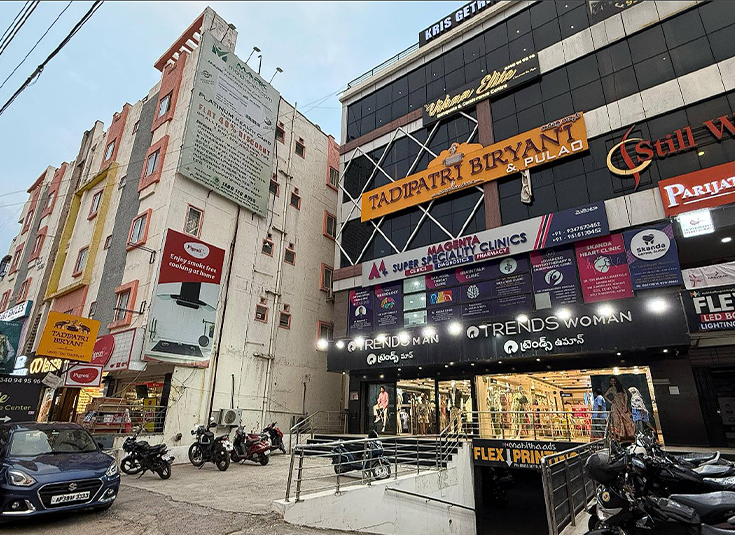
 Address :KIMS Hospitals, Gachibowli, 7-56/19, Survey No. 40 46, Dargah Road LIG Chitrapuri Colony, Prashant Hills, Radhe Nagar, Gachibowli, Rai Durg, Telangana 500032, Hyderabad 500032, Telangana Address :H.NO 4-2/71/38/2/2, Sunyuga I square building, 1st floor ,above reliance trends Shaikpet-Puppalaguda, pipeline road, Lalamma Gardens, Manikonda, Hyderabad, Telangana, Hyderabad 500089, Telangana